
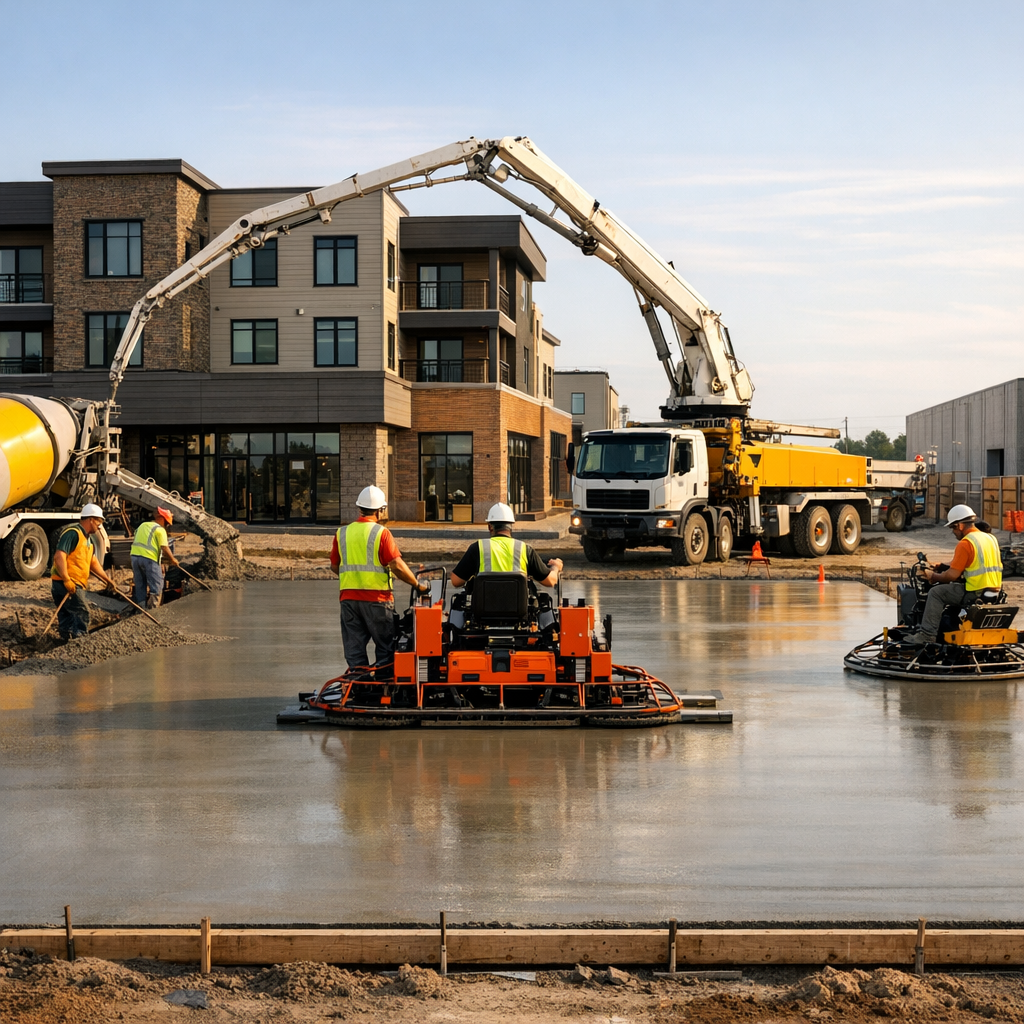
When a large project is on the line you need a contractor who understands tight tolerances, schedule reliability, and long-term durability. Whether you are a developer preparing a multifamily podium, a property manager repairing a parking lot, or a homeowner upgrading a durable driveway, the right team makes all the difference.
Thank you for reading this post, don't forget to subscribe!Here in Central Iowa you can rely on a local partner that brings industrial-grade equipment, code-ready documentation, and practical experience. In this article I explain how commercial concrete contractors des moines deliver results that stand up to freeze-thaw climates, tight timelines, and demanding specifications.
What commercial concrete contractors in Des Moines actually do
Comprehensive project scope
Commercial concrete contractors handle everything from pre-pour planning to final cure and punch lists. Typical services include:
- Site layout and excavation coordination
- Reinforced foundations, footings, and grade beams
- Large flatwork such as warehouse floors and industrial slabs
- Parking lots, curbs, sidewalks, and drainage details
- Multifamily podiums, garage slabs, and structural concrete
- Stamped and decorative concrete for commercial plazas and storefronts
Specialty techniques and equipment
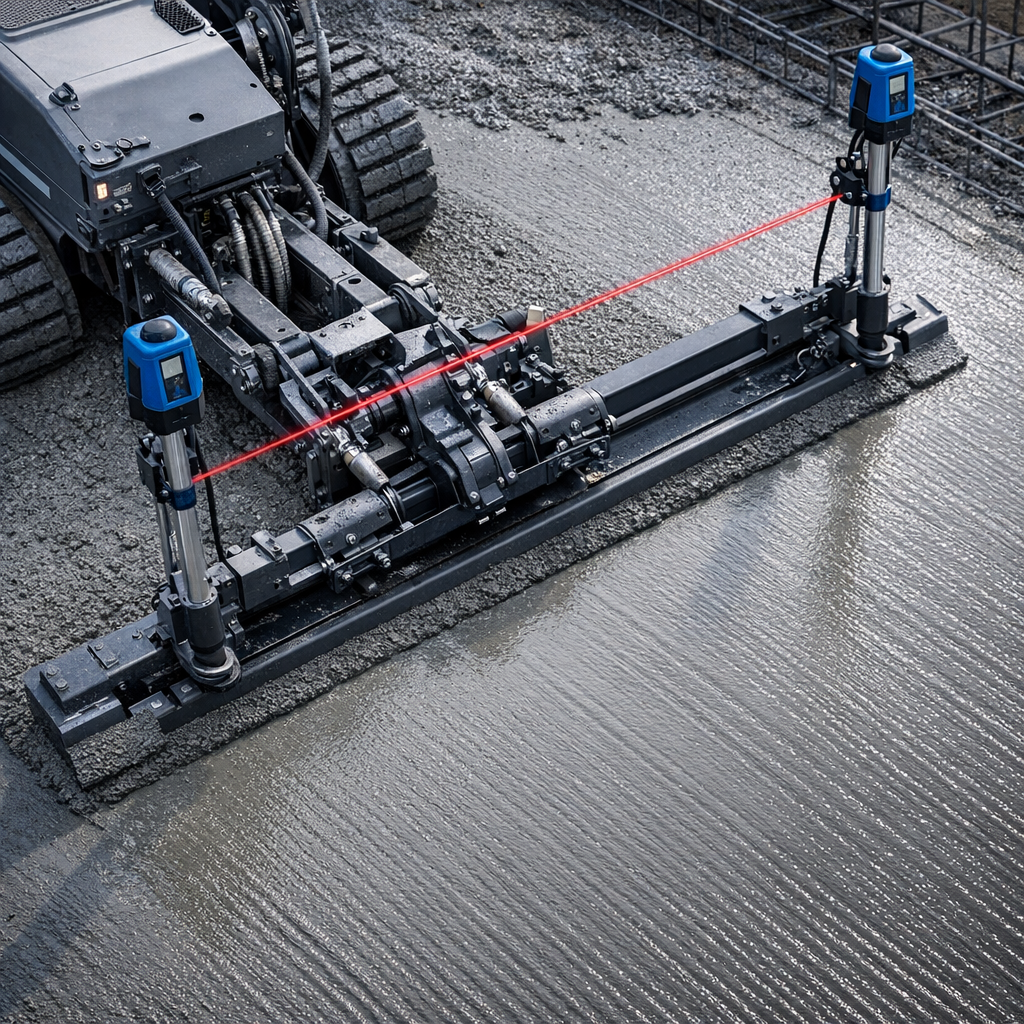
Experienced firms use modern tools that improve flatness, speed, and durability, such as laser screeds, concrete pumps, fiber-reinforced mixes, and moisture-control curing systems. These methods reduce cracking and improve freeze-thaw performance important for Des Moines winters.
Why local experience matters in Central Iowa
Climate and code familiarity
Des Moines experiences wide temperature swings and freeze-thaw cycles. Local contractors specify mixes, air entrainment levels, and curing methods to resist scaling and spalling. They also understand municipal code, stormwater, and accessibility requirements, which keeps projects moving through inspections.
Schedule reliability and documentation
Commercial owners and general contractors need reliable timelines and clear reporting. Professional crews provide daily progress reports, material testing documentation, and compliance paperwork to protect your budget and schedule.
How a project moves from bid to handoff
Pre-construction planning
Good contractors start by reviewing plans, performing a constructability analysis, and coordinating logistics. This stage reduces change orders and clarifies staging for pumps, rebar, and concrete trucks.
Pour and finishing
On pour day modern crews use laser screeds for floor flatness, pumps to place concrete efficiently, and experienced finishers for surface tolerances. Proper curing and moisture-control practices follow to achieve design strength and surface durability.
Quality assurance and warranty
Expect on-site quality control, cylinder testing for strength, and a workmanship warranty for agreed items. Transparent pricing and Procore or similar reporting systems help you track costs and progress.
Choosing the right contractor: 7 questions to ask
- Do you have experience with large slabs, podiums, or parking structures?
- Which equipment do you bring for flatness and placement accuracy?
- How do you design mixes for freeze-thaw durability?
- Can you provide project references and recent portfolio photos?
- What safety and insurance coverage do you carry?
- How do you handle scheduling and weather delays?
- What warranty and post-pour support is included?
Commercial capabilities versus residential services
Many contractors serve both markets. For commercial clients expect larger crews, heavier equipment, and more documentation. For homeowners and remodelers look for attention to aesthetic details like stamped or colored concrete, plus freeze-thaw resistant mixes for driveways and patios.
Pricing, timelines, and common objections
Here is the thing, cheaper is not always better. Low bids can mean corners on subgrade prep, reinforcement, or curing, which costs more over a building lifecycle. Ask for line-item pricing and realistic timelines. Quality contractors will explain tradeoffs and deliver a transparent estimate.
Frequently asked questions
What is the typical lead time for a commercial concrete pour in Des Moines?
Lead time varies with season and project size. In peak months expect several weeks to coordinate permits, subgrade prep, and concrete scheduling. Winter pours require additional planning for cold-weather protection.
How do contractors make concrete resistant to freeze-thaw damage?
They use properly air-entrained mixes, correct water-cement ratios, supplementary cementitious materials when appropriate, and controlled curing methods to reduce surface scaling and internal microcracking.
Can a contractor handle both decorative and industrial work?
Yes, many full-service teams offer stamped and colored concrete for plazas while also executing heavy-duty industrial slabs. The key is separate crews and the right mix designs for each application.
What technology improves flatness for large slabs?
Laser screeds and precision leveling systems significantly improve floor flatness and reduce grinding or rework later. Fiber reinforcement and proper jointing also help manage cracking.
How are warranties structured for concrete work?
Warranties vary. Expect workmanship warranties for specified periods and material warranties from suppliers. Ensure warranty terms are written in your contract with clear exclusions for misuse or site changes.
Do you provide documentation for municipalities and inspectors?
Professional contractors provide mix designs, test reports, and daily/inspection logs. This documentation helps pass inspections and supports long-term maintenance planning.
What steps reduce long-term maintenance for parking lots?
Proper subgrade compaction, edge support, correct drain grading, and appropriate surface finishes reduce water infiltration and freeze-thaw damage, minimizing maintenance costs.
Ready to get a reliable estimate in Des Moines?
If you need a partner who understands both the technical side and practical realities of Central Iowa projects, get an estimate today. For transparent pricing, fast estimates, and insured crews visit https://colinconcretedesmoines.com and request a project consultation.
Conclusion
Concrete projects succeed with careful planning, the right equipment, and local know-how. Whether you are managing a commercial development or upgrading a driveway, choosing contractors experienced with freeze-thaw climates, laser screeds, and thorough documentation protects your schedule and investment. Ask the right questions, review warranties, and prioritize long-term performance.