
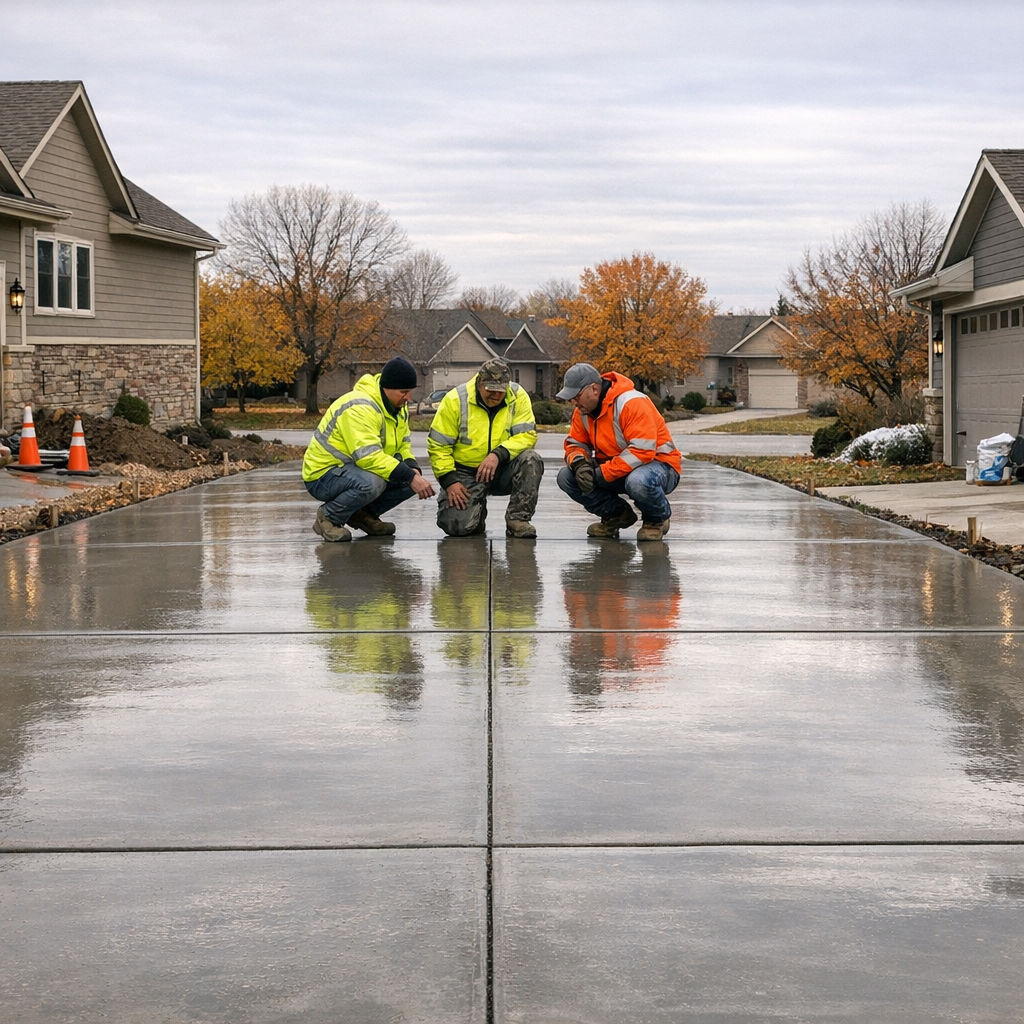
Choosing the right material now saves you from headaches after the first thaw. Winters in Iowa are a real test for slabs, patios and driveways, so picking mixes and details that resist freeze-thaw cycles matters more than color or pattern.
Thank you for reading this post, don't forget to subscribe!When you plan a new slab, consider what professionals use for durability and long life. In this guide we cover the technical basics and practical choices so you get the best concrete for iowa winters without paying for bells and whistles you do not need.
Why winter performance matters in Iowa
Iowa winters bring repeated freeze-thaw cycles, road salt, and heavy plow traffic. Those forces cause scaling, surface flaking, pop-outs and progressive cracking when a slab has the wrong mix, poor curing or insufficient base. The problem is not only aesthetics, it is long-term durability and repair cost.
Here is the thing, good workmanship and a climate-appropriate mix work together. A quality contractor combines the right concrete, air entrainment, reinforcement strategy and curing plan to keep slabs sound for decades.
What makes concrete winter-ready
Air entrainment and why it is essential
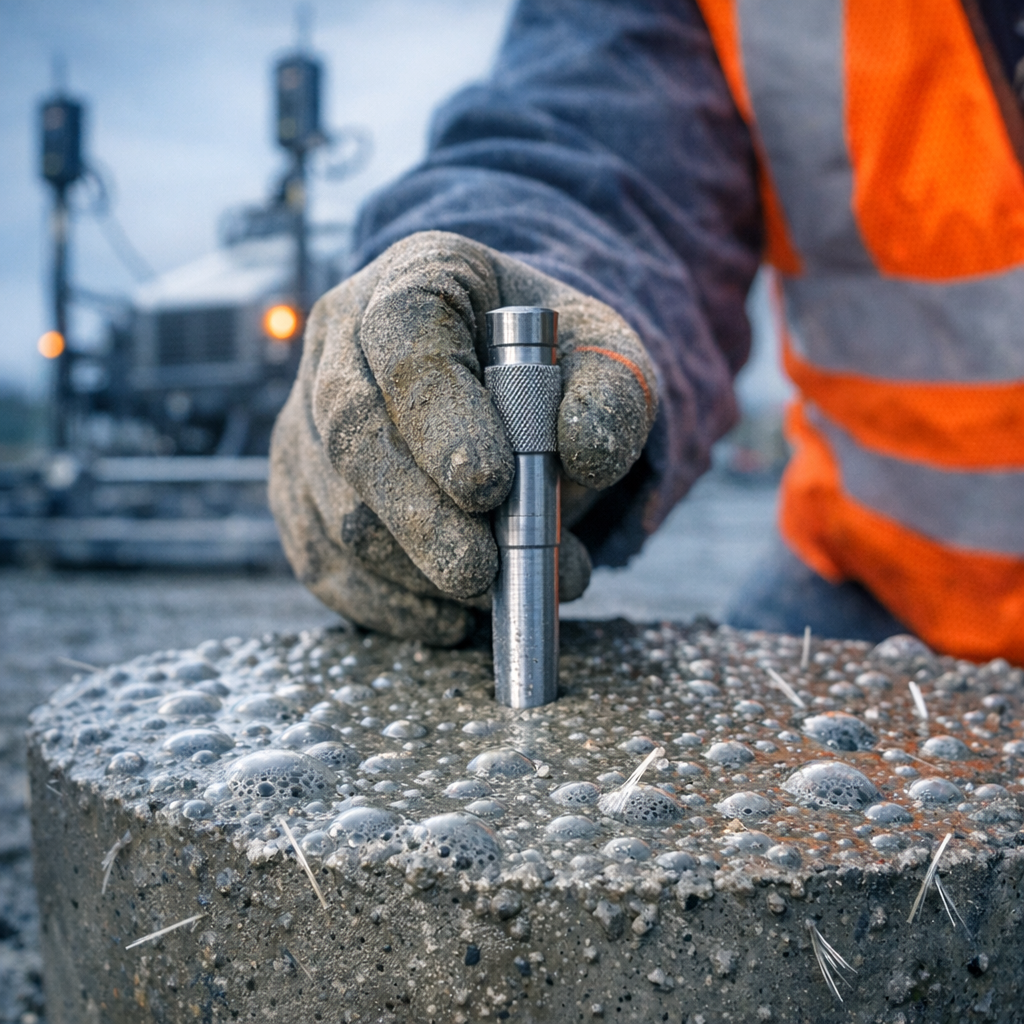
Entrained air creates tiny, evenly distributed bubbles that give water space to expand when it freezes. For Iowa driveways and sidewalks, aim for 5 to 8 percent entrained air in the hardened concrete. That’s the single most effective defense against freeze-thaw damage.
Mix strength and water-cement ratio
Higher cement content does not always equal better winter performance. Target a balanced, durable strength class, commonly 4,000 psi for residential slabs and 4,000 to 5,000 psi for heavier commercial work. Keep the water-cement ratio low to limit permeability. Less water equals fewer paths for repeated freeze-thaw damage.
Fibers and reinforcement
Synthetic or steel fibers help control shrinkage cracking and improve post-crack behavior. For driveways and patios, macro synthetic fibers or a combination of fibers with traditional steel reinforcement are common. Reinforcement and well-placed joints control where cracks form so they are less visible and less damaging.
Admixtures and additives
Use modern admixtures: air-entraining agents, set-retarding or accelerating admixtures as job conditions require, and water reducers to keep slump without increasing water. Avoid chloride-based accelerators near reinforcement. Non-chloride accelerators and corrosion inhibitors are safer choices for long-term durability.
Proper base and drainage
Even the best mix fails on a poor base. A well-compact subbase of compacted aggregate, proper slope for drainage, and geotextile where needed keep water from collecting under the slab where freeze-thaw damage starts.
Placement, finishing and curing
Finish concrete on time, do not overwork surfaces, and cure properly. Moist curing, curing compounds, or insulated blankets in cold weather keep hydration moving and reduce early-age cracking. For cold-season pours, follow a temperature control plan so concrete gains strength without thermal shock.
Recommended specs for Iowa winter durability
- Air entrainment: 5 to 8 percent for exposed exterior slabs.
- Compressive strength: 4,000 psi minimum for residential slabs, 4,000 to 5,000 psi for heavier loads.
- Water-cement ratio: Keep it as low as practical, typically 0.45 or lower for exterior flatwork.
- Fiber reinforcement: Macro synthetic fibers for driveways and patios, consider steel fibers for heavy-duty industrial slabs.
- Admixtures: Use water reducers and non-chloride accelerators as needed. Include corrosion inhibitors on reinforced slabs.
- Thickness: Standard residential driveways 4 to 6 inches on a compacted base, thicker where heavy loads or poor soils exist.
Installation tips that matter more than you think
- Schedule pours when ambient and base temperatures match the concrete plan, or use heated enclosures for winter pours.
- Use a well-compacted aggregate base, 4 to 8 inches depending on soil and load.
- Place joints strategically and on schedule; control joints guide cracking where it is least harmful.
- Protect fresh concrete from freeze within the first 24 to 72 hours. Curing is mission critical.
Practical examples: driveways, patios and foundations
- Driveways: 4 to 6 in. slab, air-entrained 5 to 8 percent, macro synthetic fibers, 4,000 psi mix, sealed surface if desired.
- Patios: Similar to driveways but with attention to slope and edge conditions to avoid ponding.
- Foundations: Structural design takes precedence, but specify low permeability mixes and proper curing to resist frost action and moisture ingress.
Maintenance and winter care
- Avoid using high concentrations of deicing salts directly on new concrete for the first winter.
- Use sand or non-corrosive deicers for traction when possible.
- Repair cracks early, clean drains and ensure grade keeps water moving away from slabs.
Checklist Before You Book a Contractor
- Ask for the mix design and confirm it includes air entrainment and a low water-cement ratio.
- Verify use of fiber reinforcement or rebar based on the project type.
- Request the cure plan for cold weather pours.
- Confirm base prep, compaction specs and joint layout.
- Ask about warranties and examples of local winters projects, particularly in the Des Moines metro.
Frequently Asked Questions
What mix should I choose for a Des Moines driveway?
Choose a 4,000 psi air-entrained mix with 5 to 8 percent entrained air, macro synthetic fibers or appropriate steel reinforcement, and a low water-cement ratio. Proper base prep and joints are as important as the mix.
Can concrete be poured in winter in Iowa?
Yes, with a temperature control plan, insulated blankets, warm mixing water and proper curing you can pour in cold weather. Small projects may be delayed until temperatures are favorable, but experienced contractors pour year-round when required.
Are salt and deicers going to ruin my slab?
Calcium chloride and similar products accelerate freeze-thaw damage and can promote corrosion if used heavily. Use sparingly, choose non-corrosive alternatives, and seal surfaces when appropriate.
Do I need fiber reinforcement for a patio?
Fibers help reduce cracking and improve toughness. For most residential patios, macro synthetic fibers are a cost-effective addition, paired with correct jointing and base work.
How long before I can drive on a new driveway in cold weather?
Typical strength gain timelines extend in cold weather. A light vehicle may be allowed after 3 to 7 days if the mix reaches adequate compressive strength and the contractor confirms curing is complete. Heavier loads should wait longer.
How often should I reseal decorative concrete in Iowa?
A high-quality sealer may last 2 to 5 years depending on exposure, traffic and maintenance. Sealers protect from salts and freeze-thaw damage, but choose products compatible with winter conditions.
What mistakes shorten a slab’s life the most?
Poor base compaction, high water-cement ratio, no air entrainment, inadequate curing and absent or misplaced control joints are leading causes of premature failure.

Next steps if you want the job done right
If you want a long-lasting driveway or patio that stands up to Des Moines winters, start with a clear spec and a contractor who documents mix design, joint layout and curing approach. For local projects, Colin Concrete Des Moines handles both residential and commercial pours and knows how to build for Central Iowa climate realities.
Find more details on residential driveways and scheduling at the company homepage or the dedicated driveway service page below:
- Learn about full-service offerings on the Colin Concrete Des Moines homepage: Colin Concrete Des Moines
- Read about driveways, base prep and local project examples: Concrete Driveways in the Des Moines Metro
- See regional project notes for Ankeny and nearby suburbs: Ankeny Concrete Services
For technical background and best practices, you may also find industry guidance helpful, for example the Portland Cement Association and the American Concrete Institute provide best-practice resources.
Ready to plan your winter-proof concrete project?
Contact Colin Concrete Des Moines for a fast, transparent estimate and a documented mix and curing plan tailored to Central Iowa winters. Visit https://colinconcretedesmoines.com to request a free estimate and get your project on the schedule.
Conclusion
Iowa winters are tough, but the right combination of air-entrained mixes, low permeability, proper reinforcement, base prep and careful curing makes concrete that lasts. Focus on these fundamentals, pick a contractor who documents specs and protects fresh concrete, and you will avoid common freeze-thaw failures. Your next slab can be both beautiful and built to last.